Two days in Cambodia
Past / 05 January 26
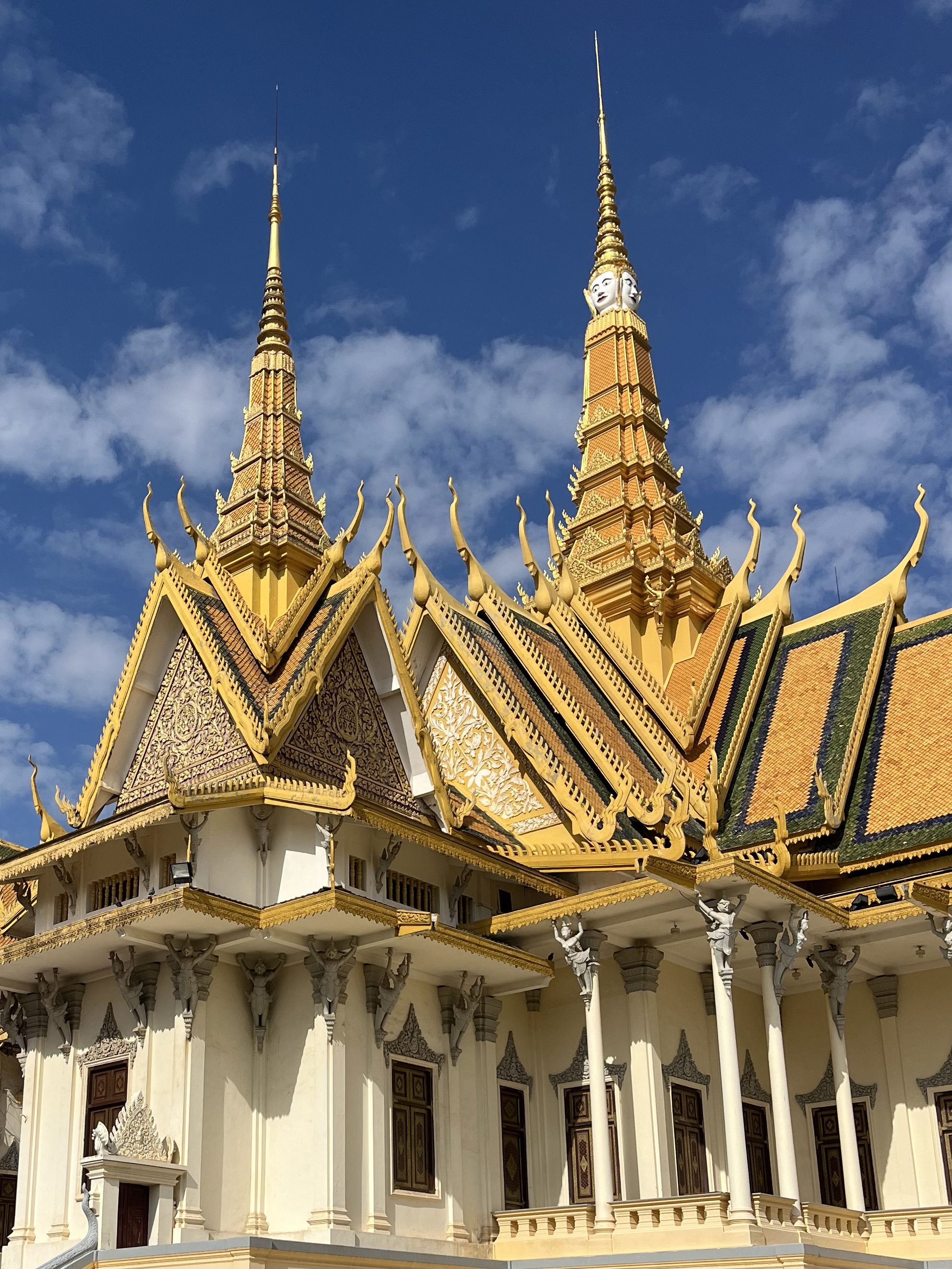
Very big day. It disappointed some people, but I still go to see the Royal Palace of Phnom Penh. You can see two dominant colors there: yellow and white. The first for Hinduism, the second for Buddhism.
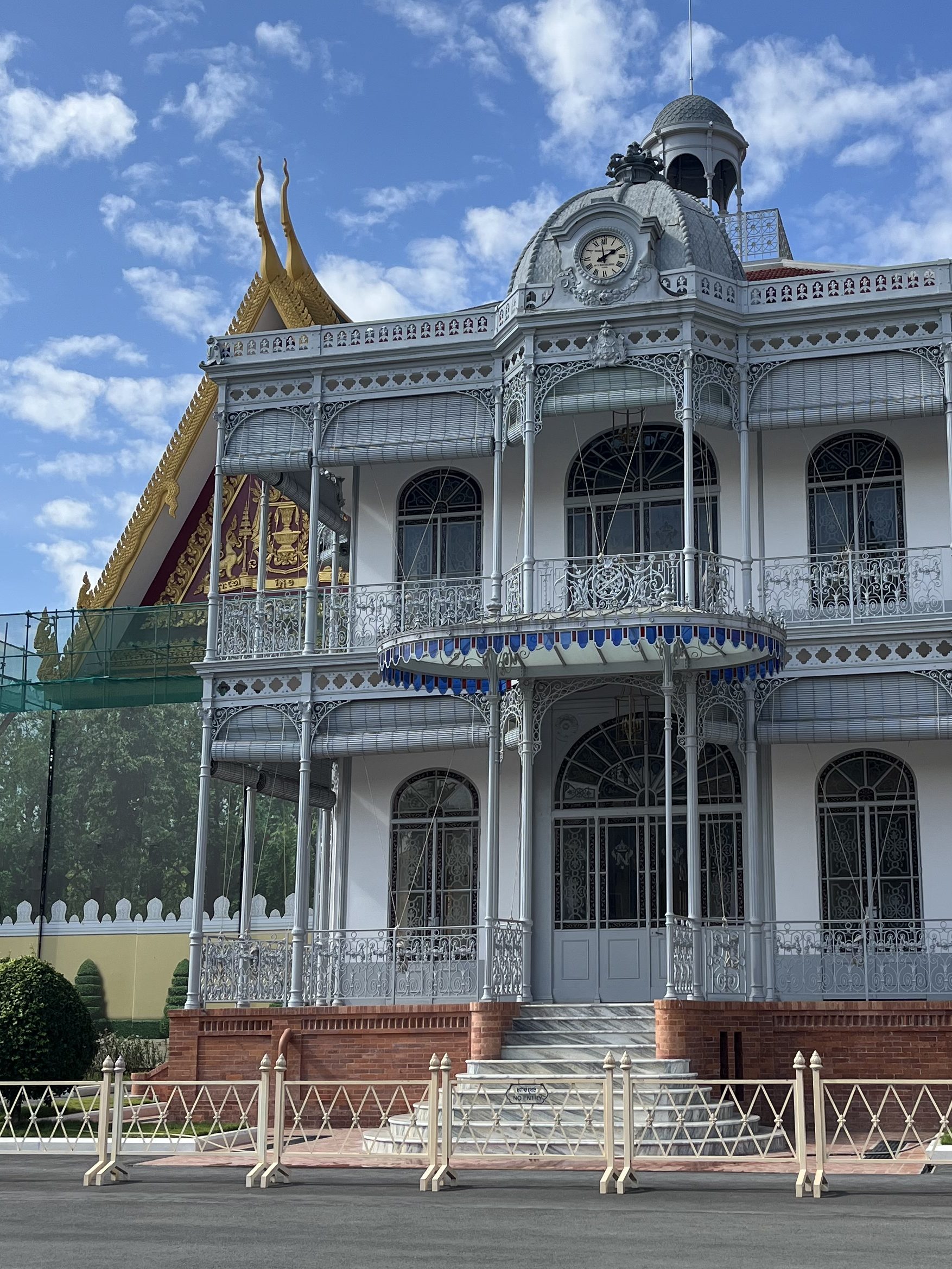
I appreciated these buildings. The inside of the main palace is not accessible, but you can still catch a glimpse of the beautiful ceiling paintings. Sitting there, to the right of the palace, a grey French colonial empire style house, offered by Napoleon III to the King of Cambodia at the time, to thank him for the protectorate he had requested.
The Silver Pagoda is disappointing. It owes its name to the hundreds of silver floor tiles that cover the ground. You can enter, but nothing else to see except a red carpet on the floor. The tiles are hidden, apparently to protect them. The only ones you can see are in quite bad condition and no longer shine.
I got a taste of the current organs of power in Cambodia, but now let’s radically change atmosphere and time period. We go from royal history to the history of the genocide still relevant today, to the not so distant history of communists in Cambodia.
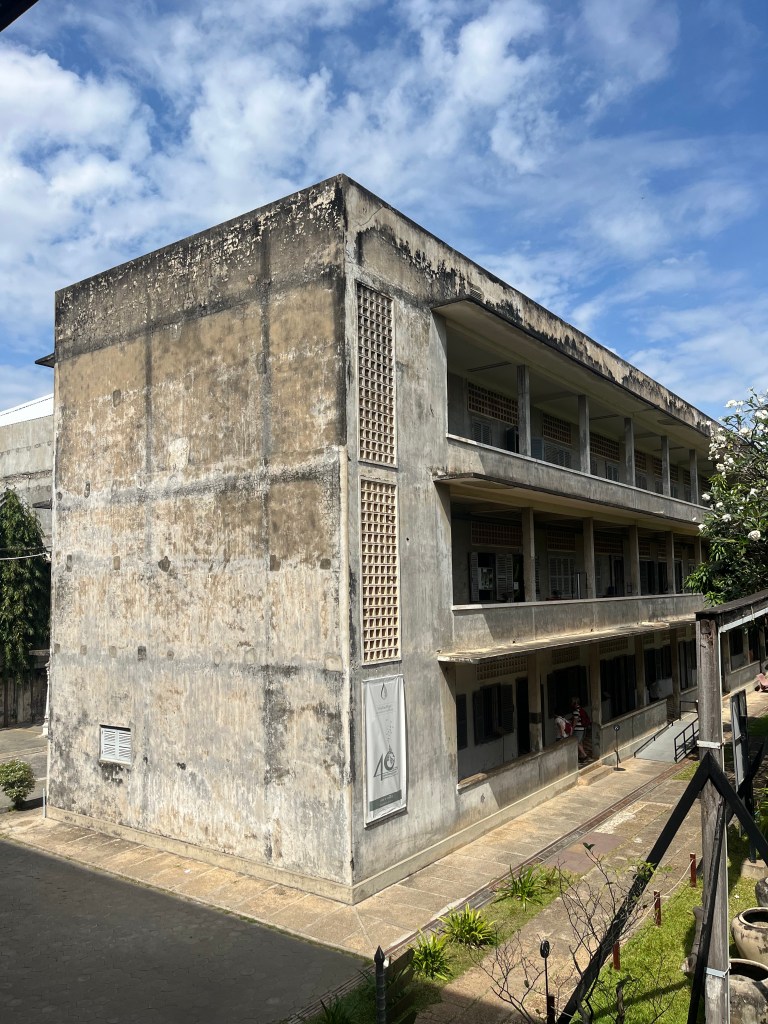
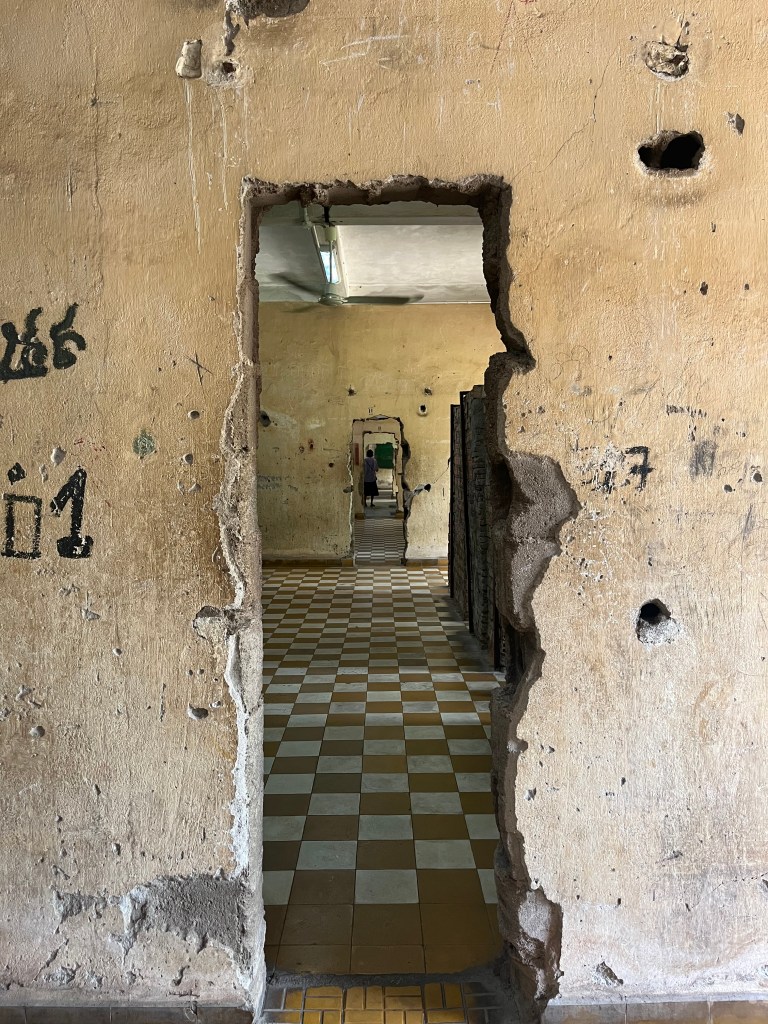
We go to the genocide museum, located in the former Tuol Sleng S21 prison, run by the former mathematician Duch. The prison is divided into several blocks, it is actually a former high school hastily converted into a political prison. Quickly, they built small cells there, sometimes in orange red bricks, sometimes in black wood, but also torture rooms.
In the cells, there was only one object, an ammunition box used as a rudimentary toilet. In the torture rooms, there was often a single bed and torture instruments. You can still see these objects left almost as they were when the prison was liberated.
The Khmer Rouge, the communist regime of Pol Pot, wanted to get rid of all those considered enemies of their ideology: educated people, city dwellers, bilingual people, doctors, agitators, opponents, sometimes members of their own party.
As in the USSR, many innocent people were falsely accused of plotting simply by mistake, jealousy or fear. The Khmer Rouge motto was to get rid of weeds, you must not only cut the visible part but also the roots. Basically, they got rid of the whole family so no one could take revenge.
They were interrogated and tortured until they confessed to anything just to end their suffering. They were then taken a few kilometers away and killed in fields using blunt weapons: machetes, knives, batons, palm fronds, clubs, hammers, anything available. Guns were rarely used, as bullets were considered too valuable and the killings were meant to remain secret, avoiding the sound of gunshots.
Pol Pot and many leaders of the Khmer Rouge were educated in France and influenced by communist ideas. They envisioned a classless society based on agriculture, without cities or social hierarchy. When they took power, they emptied the cities and forced the population into the countryside.
Schools, money, and institutions were abolished. The regime targeted intellectuals and perceived enemies, but in reality repression affected the entire population. Around a quarter of Cambodians died, many from hunger, forced labor, and violence.
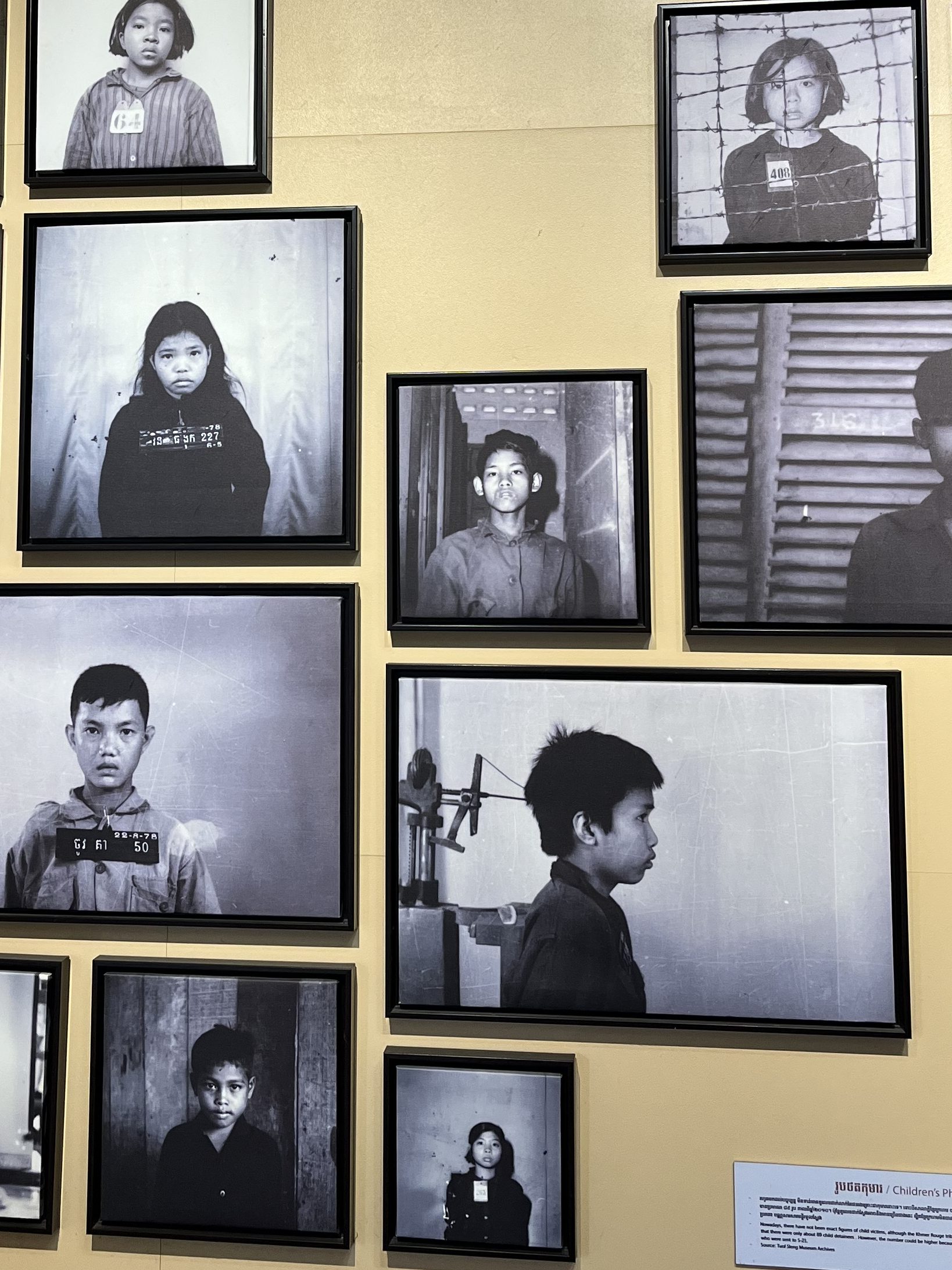
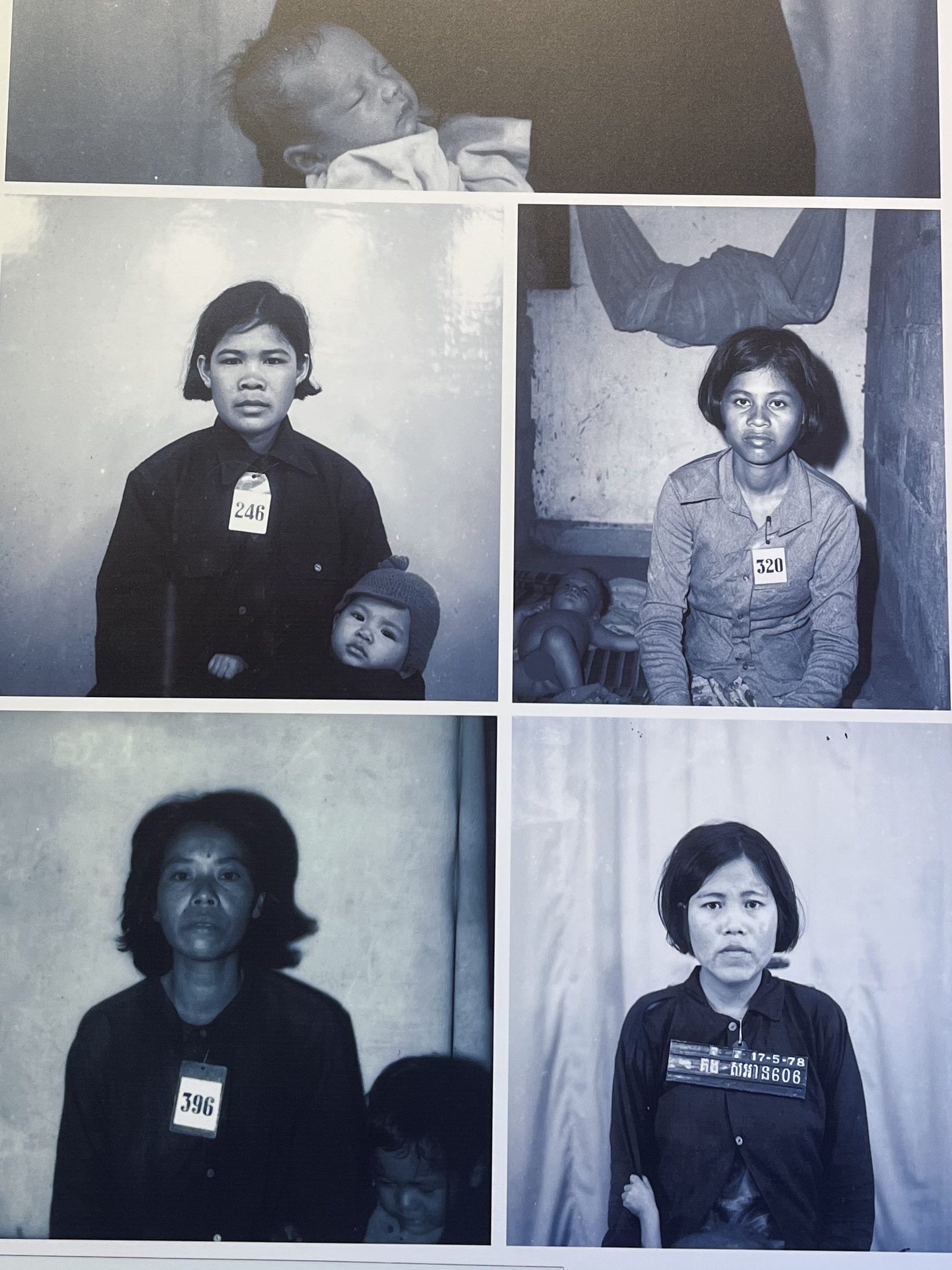
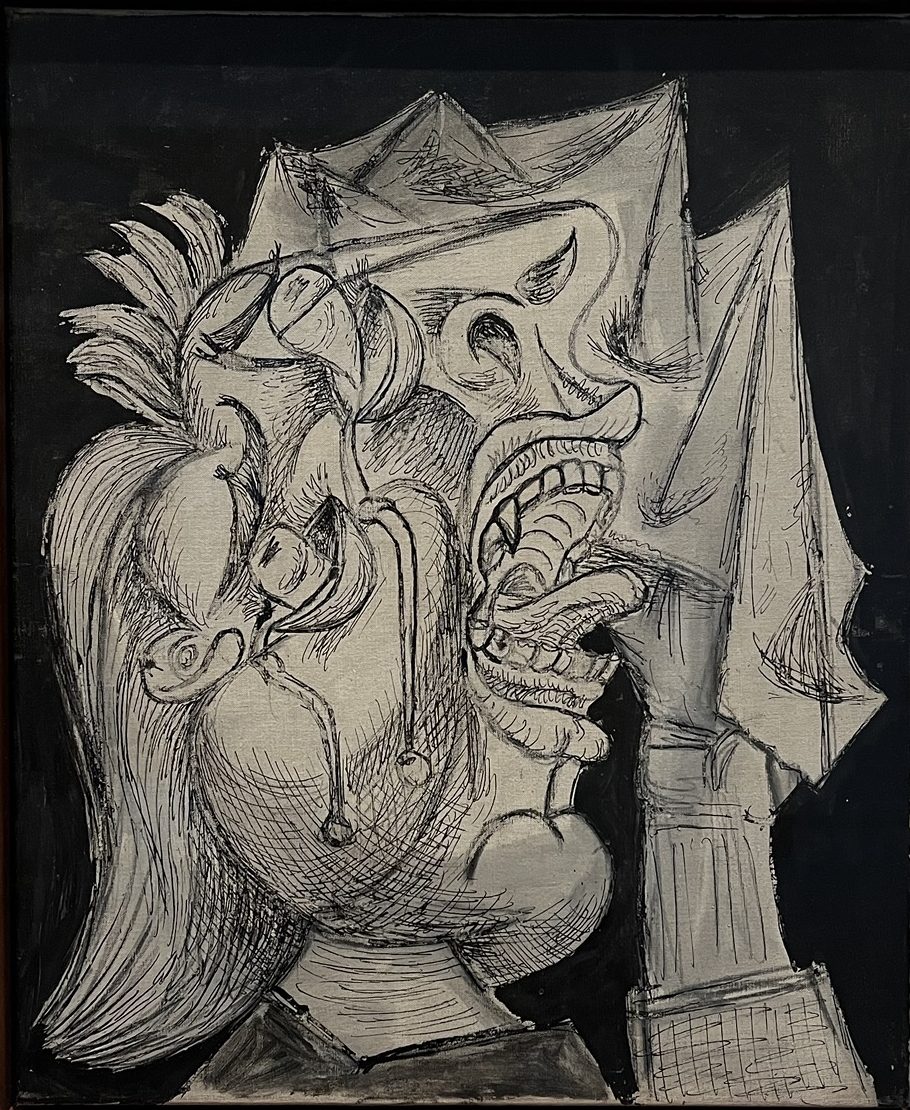
You see a lot of this violence in this prison, images of these mutilated, bloodied, thin, dead bodies. You can see pictures of new prisoners, entire families.
The museum is really well done, in the sense that it gives the impression it has not moved at all since the liberation of this prison by Vietnamese soldiers. It is a very good conservation work.
It was thanks to Vietnam that the country was freed from four years of horror. They stayed in control of the country for a few years afterwards, and they still covet some Cambodian lands today, just like Thailand.
I then visited the famous Killing Fields, located a few kilometers away. You can see the mass graves, including some containing children. One particularly infamous site is near a large tree where the Khmer Rouge reportedly killed infants and young children. Evidence comes from human remains found in the surrounding soil and from forensic analyses of bones showing trauma consistent with blunt-force impacts.
It was the 70s, from 1975 to 1979, barely 50 years ago.
Present / 07 January 26
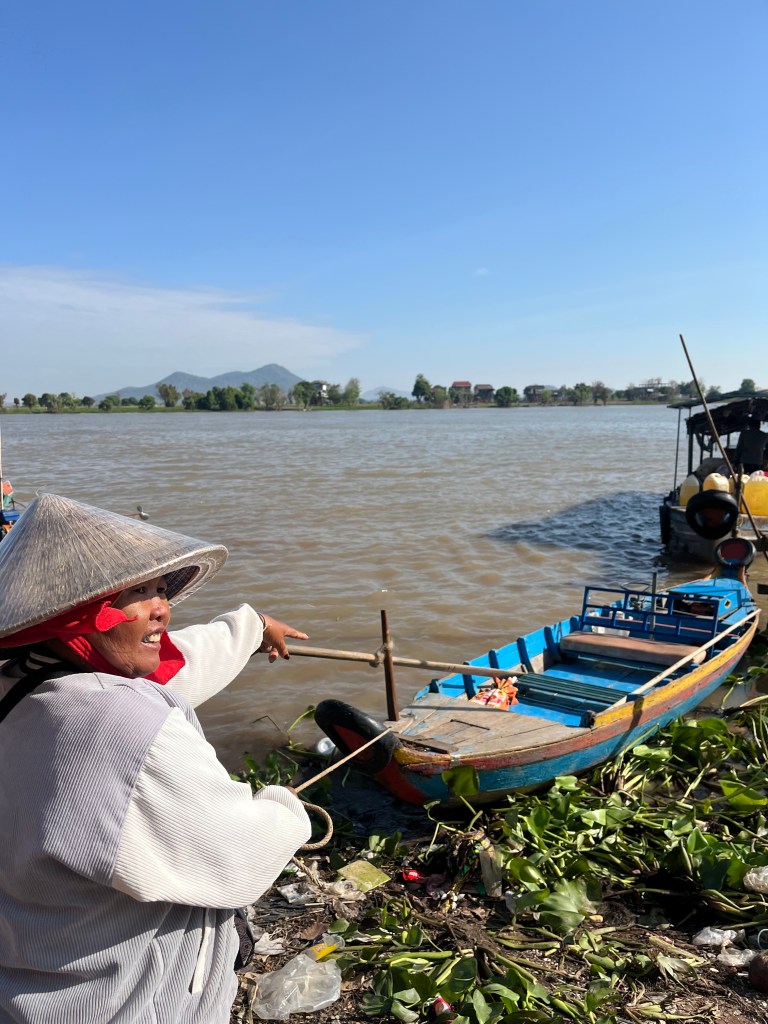
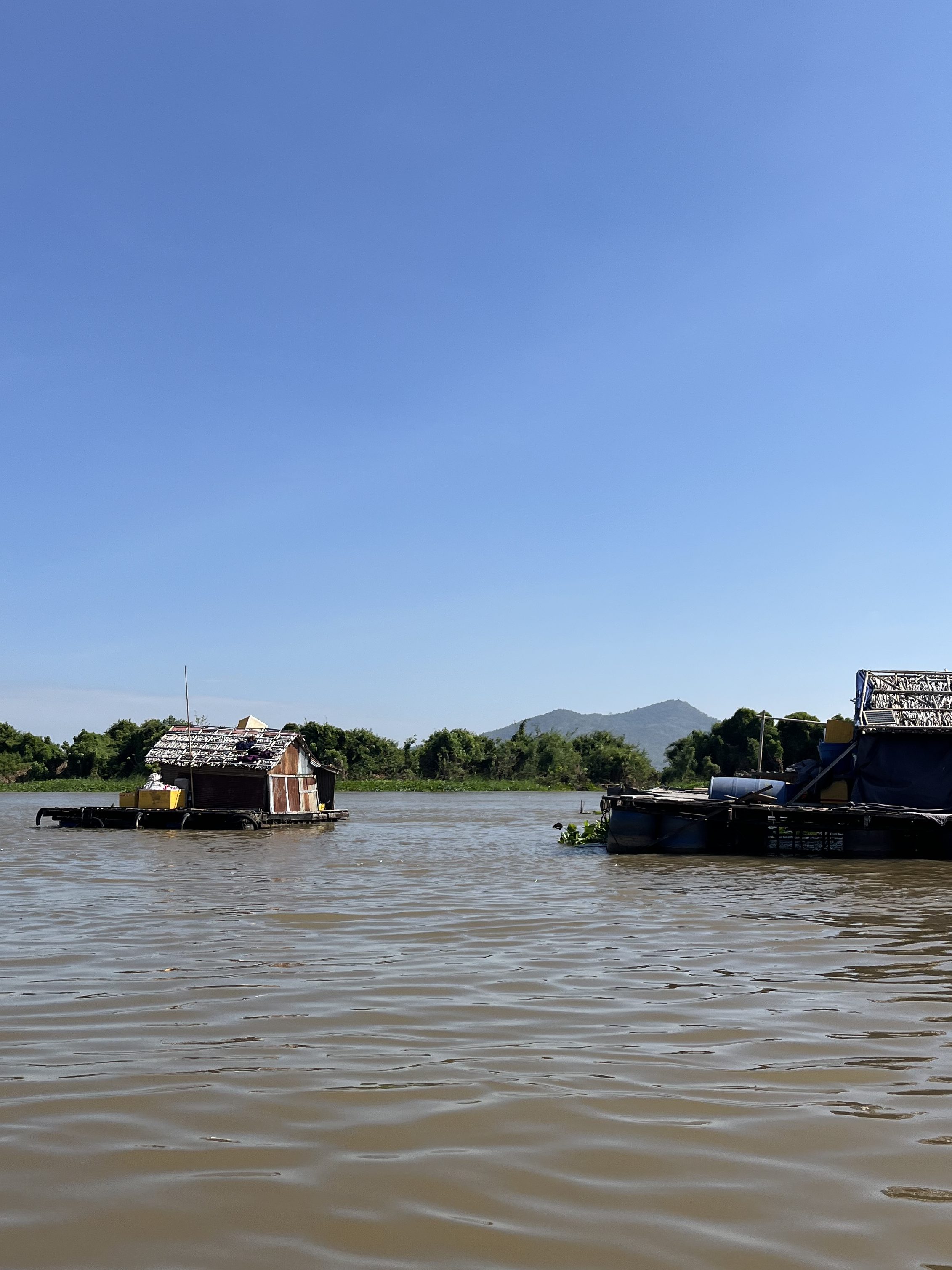
Waking up in Kampong Chhnang. I go to visit a floating village near the city. Borai*, my driver, takes me to the edge of the Tonle Sap river. He drops me off, a boat driver is already ready for me. I wonder if they have some kind of arrangement, the two of them. Borai brings his clients in exchange for a small commission. Maybe.
She asks me for 30 dollars, I say 5 or 10 dollars. I may have pushed it and I realize it right away. I ask Borai if he has an idea of a fair price, he says 20 dollars. I accept.
We leave for a 1 hour 30 minutes trip where I get close to the small houses on the water, trying not to be too intrusive. I did not see that many people, I think they sometimes know they are being observed, so they hide accordingly.
I did not feel uncomfortable like others during this visit. People do not really seem annoyed by our presence, I was the only tourist, we turned off the engine when getting close to the houses.
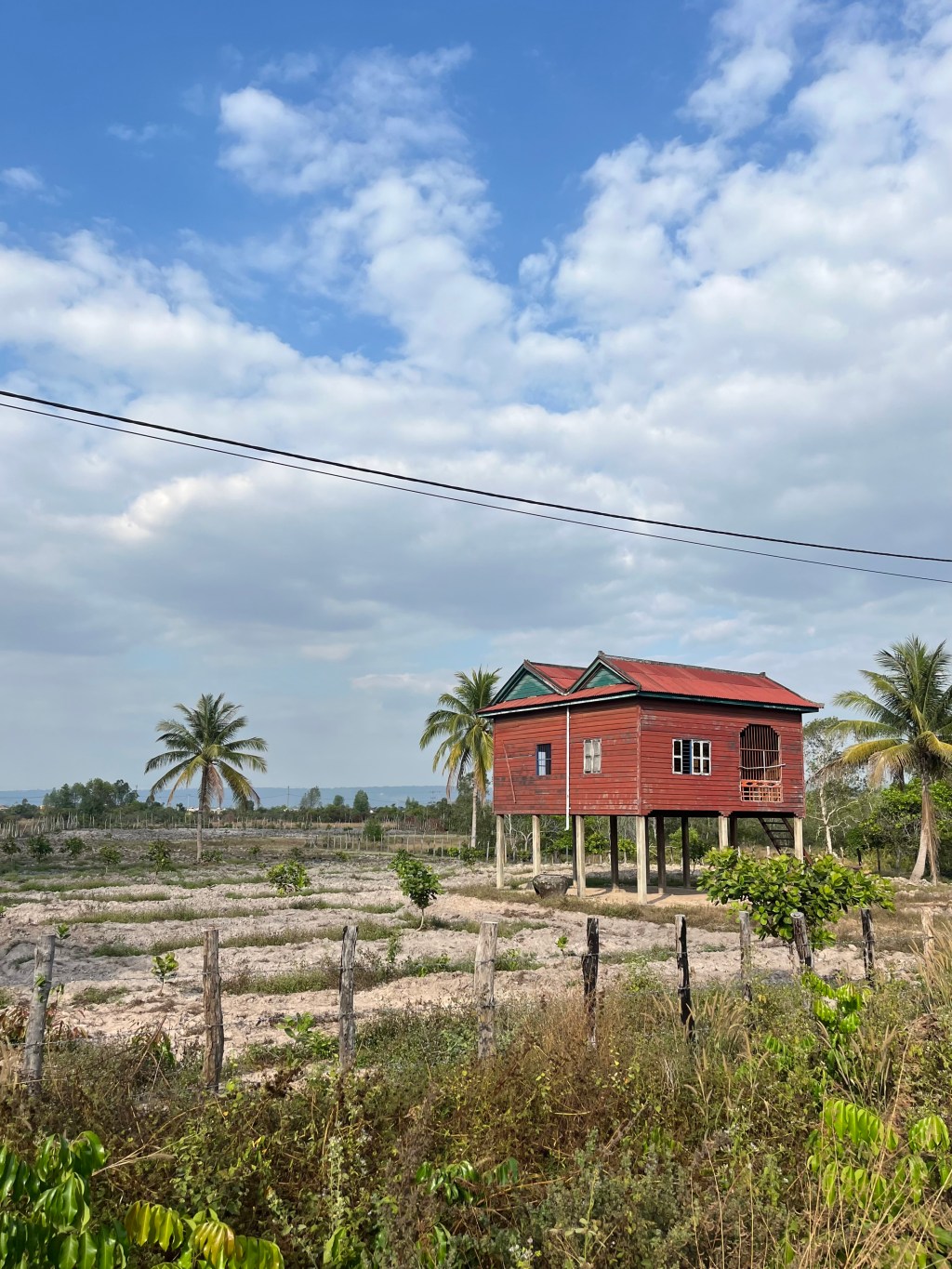
It is a beautiful, wide river. In the distance, stilt houses rise above the green plains. There are some hills, which is quite rare in Cambodia. Domestic dogs rest in the houses on the water. No walks for them! They are watching me. Hammocks swaying, children’s heads popping up, shouting “hello” in English and weaving, people smiling in my direction.
End of the visit, I pay what I owe. Borai takes me back to the hotel, time for a break before going to the mountains and countryside with his tuk tuk.
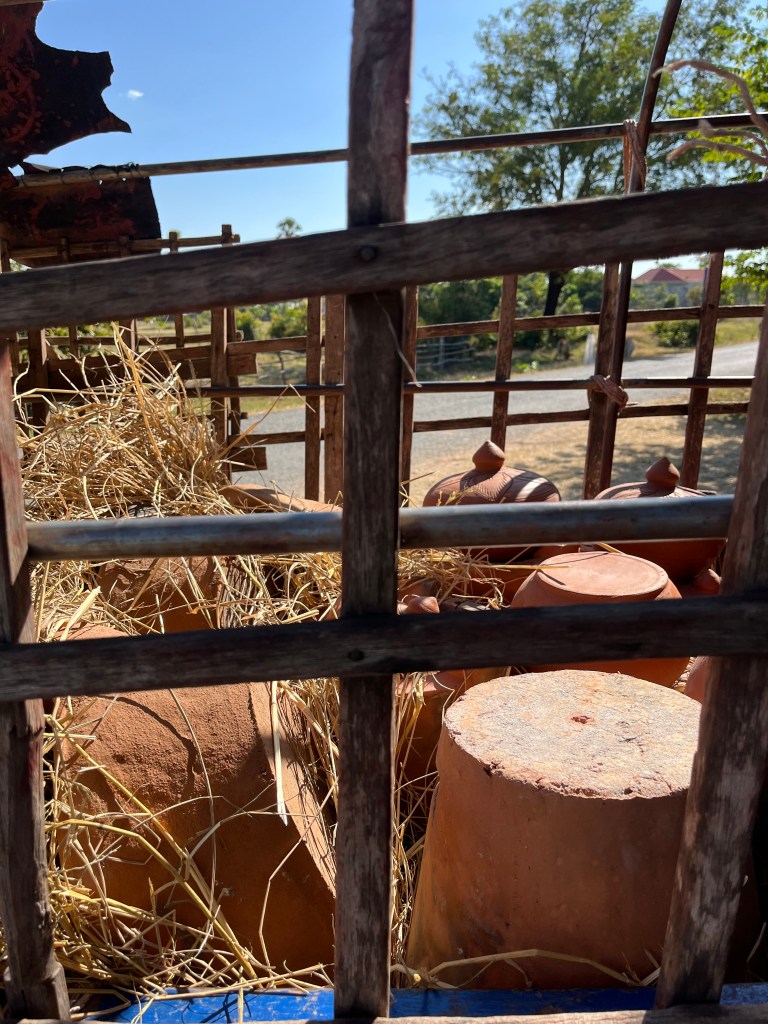
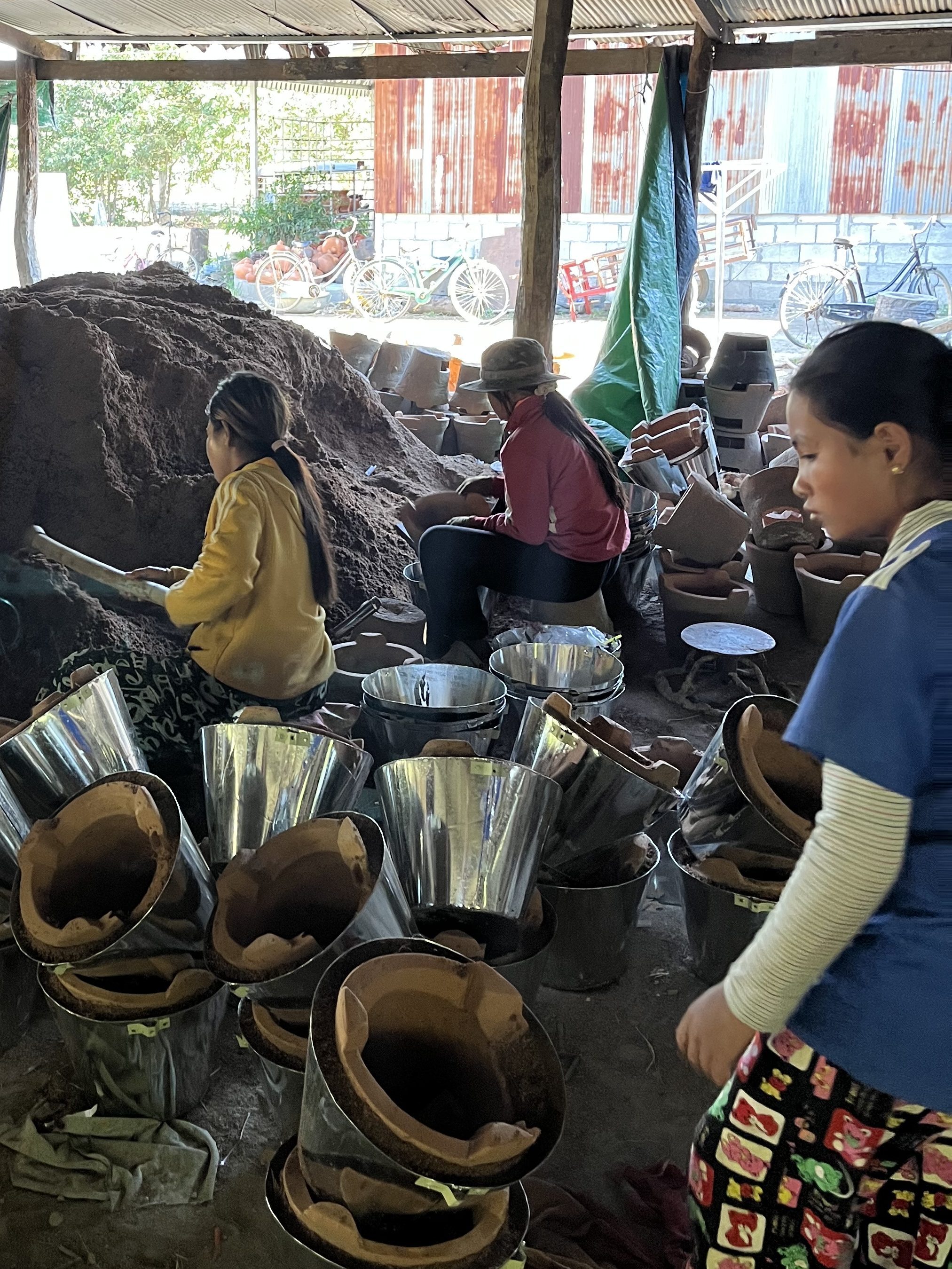
The region is known for pottery so we go visit workshops. Only women work there. None of them went to school. All started this job as children. You can see some tiredness on their faces and in their eyes. The gestures are precise.
One of them helps me make a pot. Unfortunately, no time to fire it before I leave, it would have been a nice souvenir. To make the pots, she uses a very basic machine: she pushes a stick with her foot, which activates a wheel, making the board with the clay spin, allowing her to shape it with her hands.
Another workshop used an even more basic method: the woman walks around the pot herself. It takes more time, it is impressive.
Borai leaves me with this woman who turns for 20 minutes. We exchange looks, she shows me how she patiently shapes the pot. Her face is damaged, she has a deep scar on her left eyebrow. To make me feel less bored as she might think I am, she gives me, like she would of gave her little grandson, what seems to me to be powdered sugar. It melts on my tongue.
A friend of hers joins us. They talk, look at me and laugh. I taste alcohol made locally in this house. Palm wine is stored in large plastic containers. I leave with a few pots but I would have liked to leave with a container too.
After that, we get back on the bumpy road. We stop at a suspicious street stall, on the side of a road in the middle of nowhere. Only a few palm trees around us, boys playing below, the sun hitting our faces hard.
The stall is a basic barbecue, on one side burnt crickets, on the other snakes cooked with eggs still attached to their abdomen. I have to try, I promised Borai.
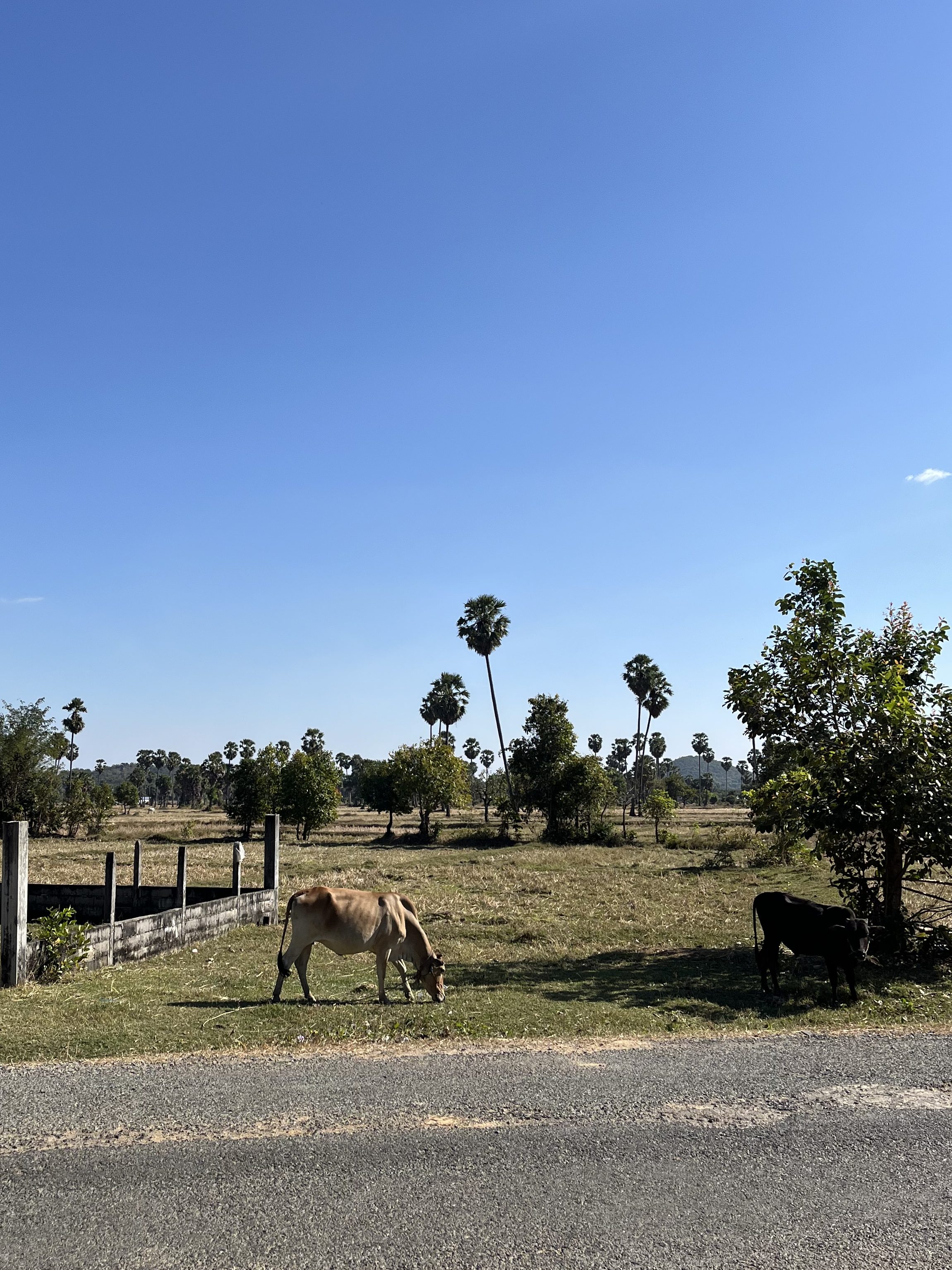
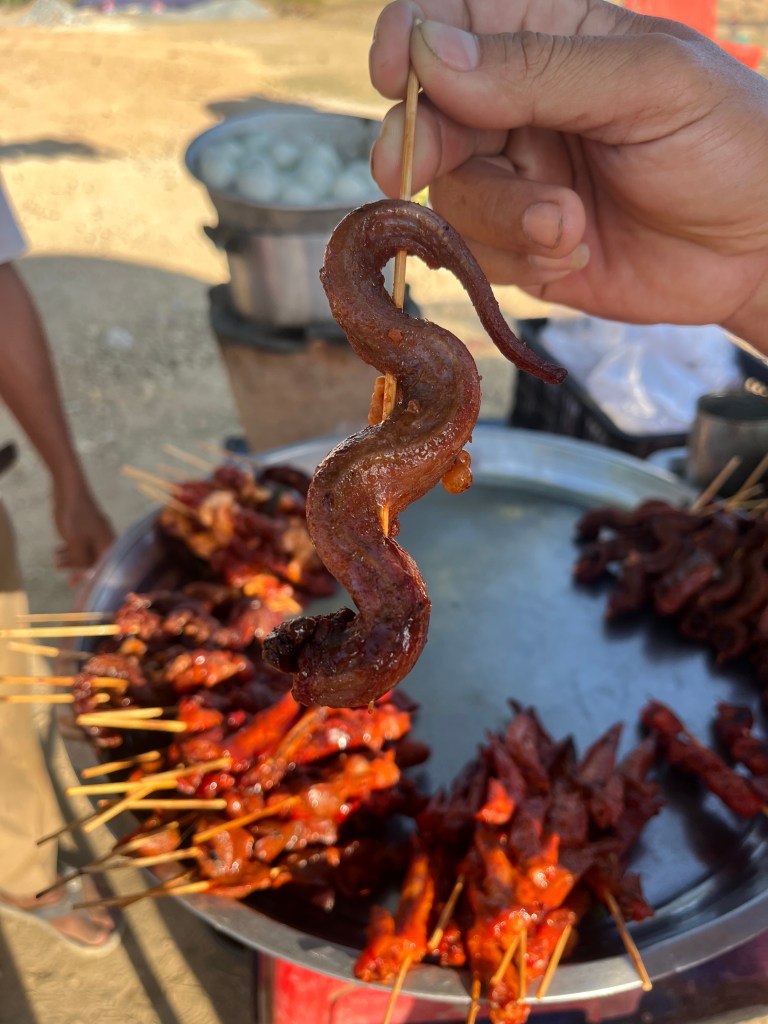
The snake, poured into heavy sauce, is good. But there is too little meat and too many bones. The eggs are only bad visually.
Later, during another visit in the countryside, I find rat cooked the same way. During the war, people had so little food that they ate everything that moved. So rats and snakes became common food, because there are so many of them.
We finish our road trip, Borai invites me to his home to eat. I pay for the Angkor beers, he pays for the duck, the pork and the vegetables.
He has three children and a wife who runs a restaurant. It is 8 pm, she is still working. We eat together on his terrace, by the street, not far from the city center.
He explains his situation. Half of the year he is in Canada to work and earn money. The other half he is here guiding tourists. It works well for him, he speaks good English and people like him quickly.
How did he get this job in Canada? A rich Canadian once came to Kampong Chhnang, they became friends. Since then, the Canadian has come back 6 times. Each time he comes to see Borai.
One day he offers him a job in Canada, in agriculture. Borai accepts to leave his family 6 months a year to earn money and provide a better life for them, hoping his children will study there later.
Borai explains his dislike of the Cambodian government. Since the communists, a more classic party is in power, originally made of former communists who changed sides, adopted a more capitalist view, but still kept a strong state control, far from democratic.
This power is described by Borai and others as corrupt and inefficient. Cambodia has not changed much, the rich got richer and the poor poorer. Investments seem to benefit the rich rather than the common national interest.
While I was there, war was ongoing at the Thai border. Thailand was sending fighter jets to bomb Cambodian positions, while Cambodia did not have one to defend itself. Not a single fighter jet for a country that had been under pressure and threatened by its neighbors for decades. It’s a poor country and the government has to have priorities, but I do find this quite alarming.
It still feels like a difficult time for Cambodians, shaped by war, poverty and a heavy past, yet marked by a resilience that shows in their kindness and their ability to welcome others despite heavy hardships.
*The name has been changed.
 Bergamin Rubens
Leave a comment